Asipulo

Land of the Mountain Springs

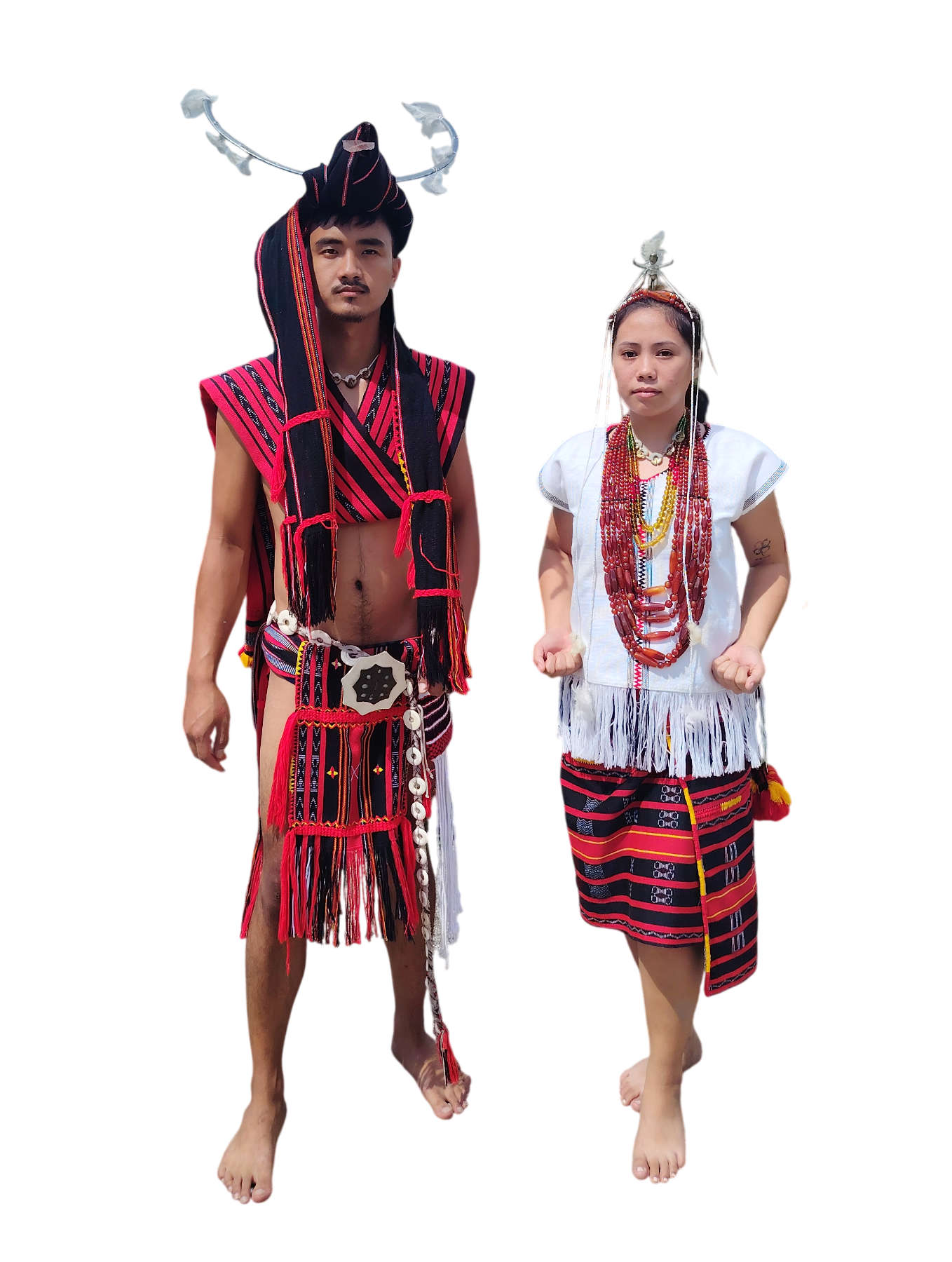
Asipulo Traditional Attire in pair!

Tap each number to explore!

Asipulo Traditional Attire in pair!

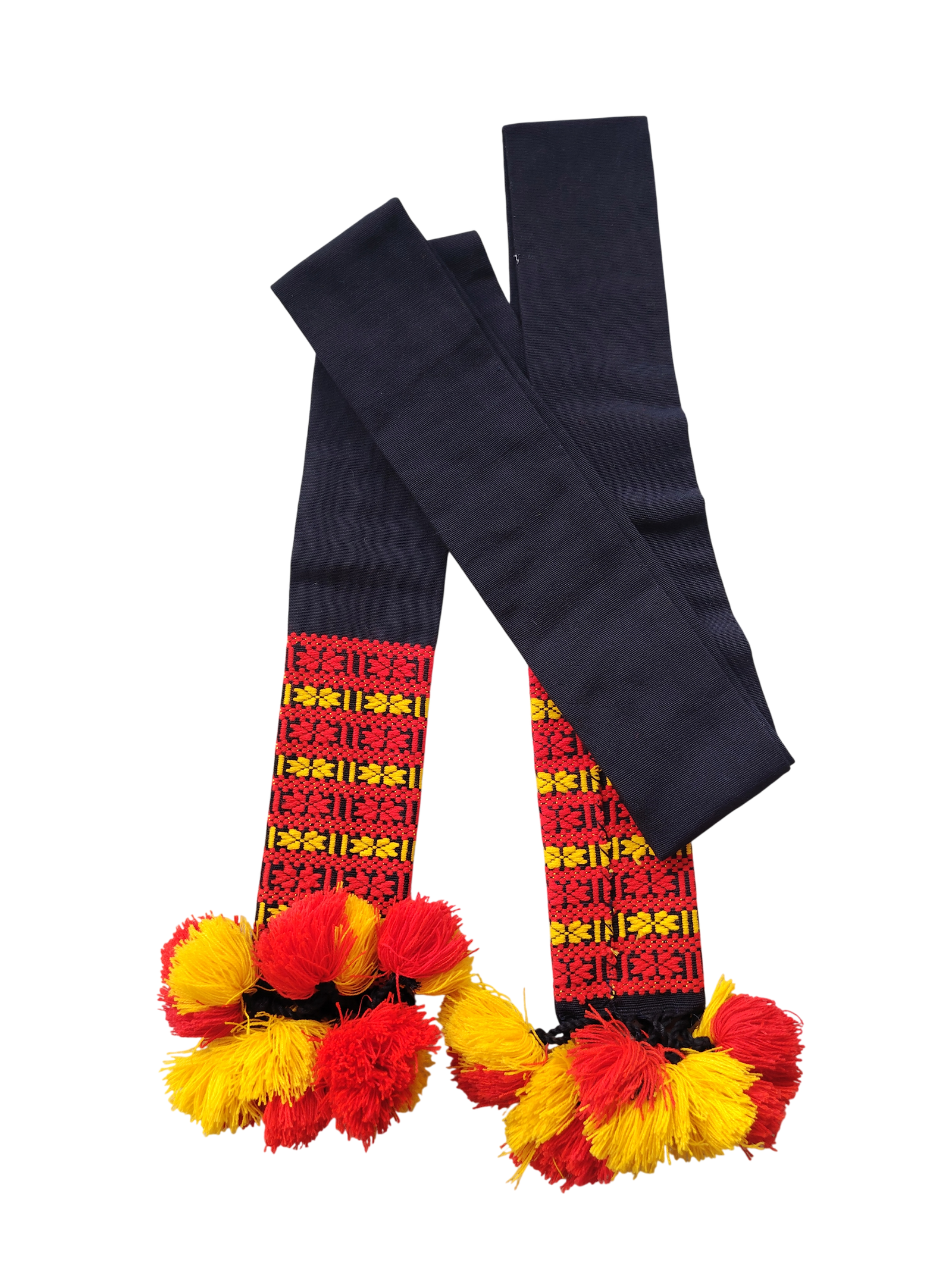
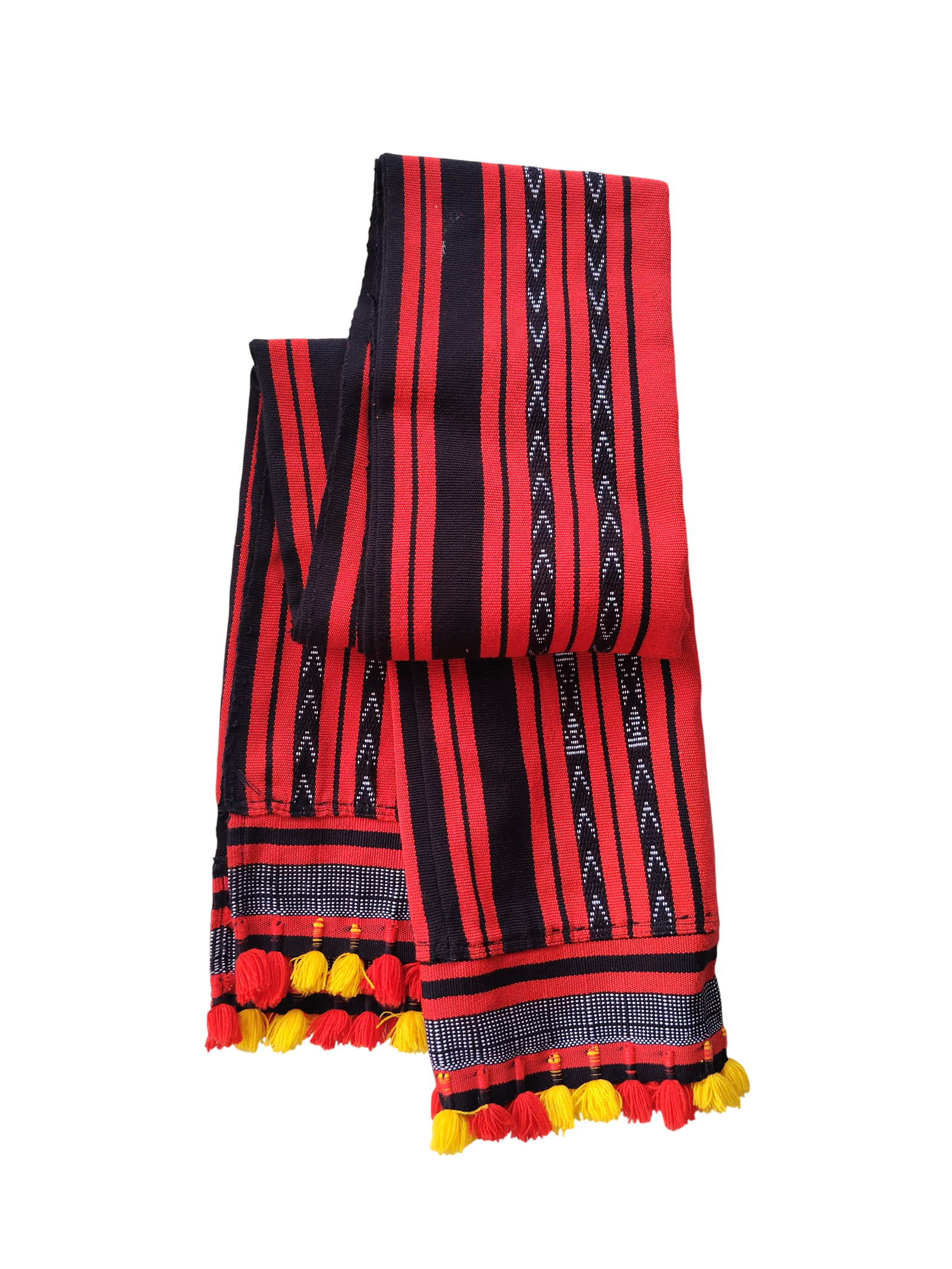
G-String/Gwanoh

>It is a costume worn by males to cover the private parts of their body. >It is tied around the waist with the end suspended on the back and in front. >There are two types of gwanoh depending on the color: -(1) Finuhlan (red), used by rich gentlemen who belong to the affluent families, who own rice fields and own many carabaos. This social system was abandoned and so today it is the most commonly used gwanoh by the people whether young or old, rich or poor; -(2) Finuhlan(black), is used by elders who belong to the lower class. Today, only few wear this type of gwanoh.

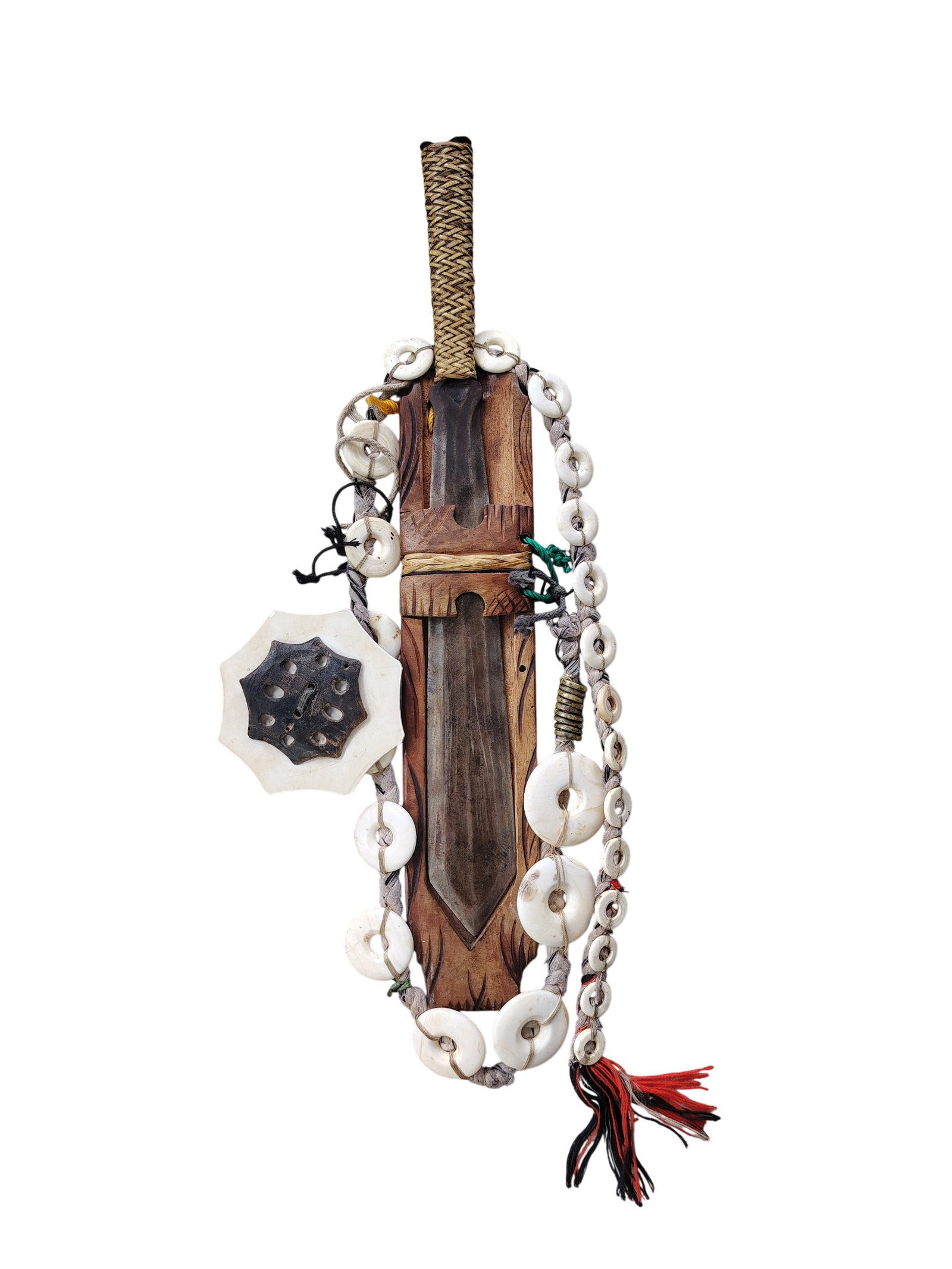
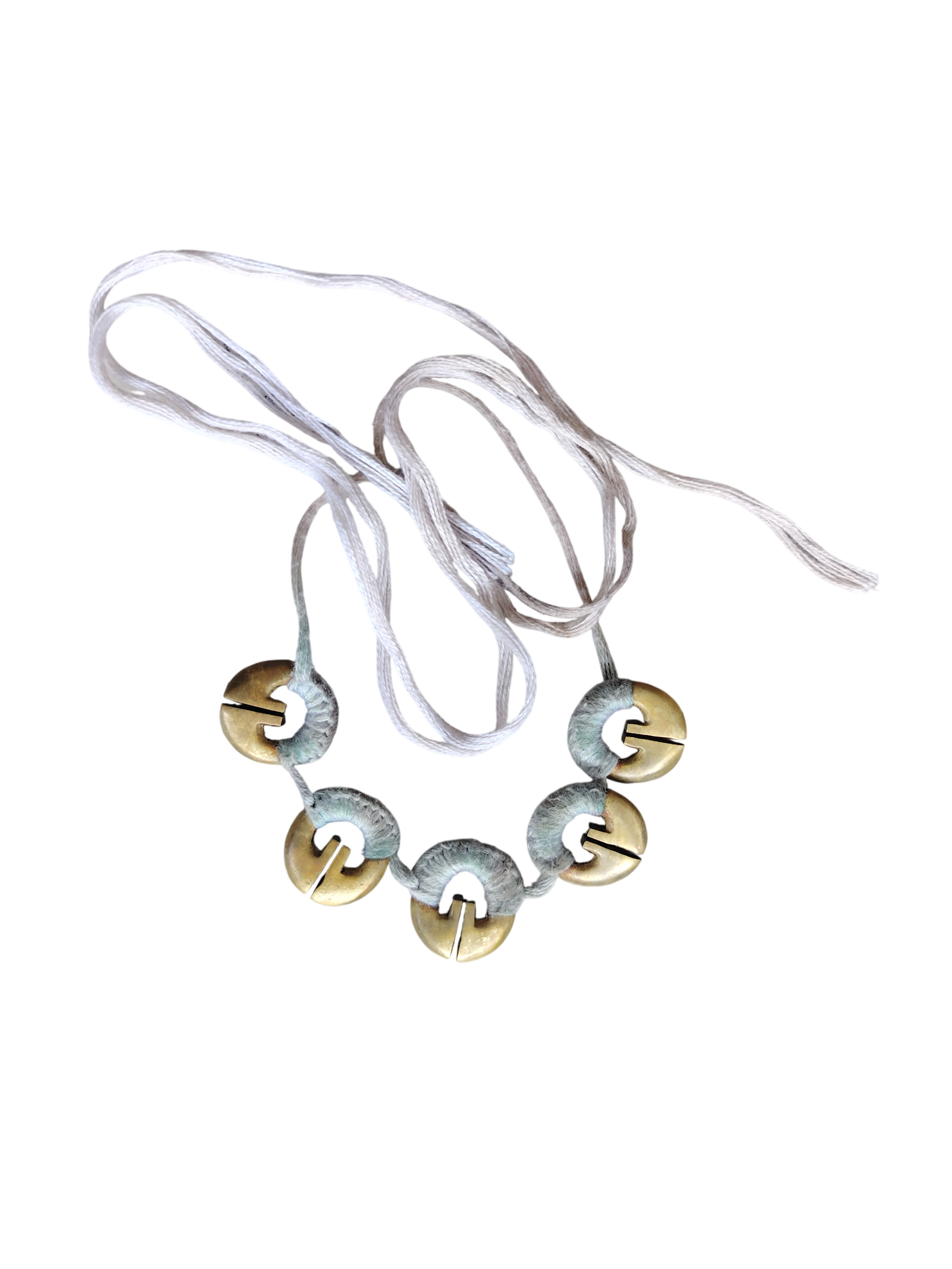
Waistband/Belt/Ghinuttu

>It is used to carry the bolo and fotong. >It represents wealth. The early ghinuttu is made of cracked jars, shells and later on altered with white plastic or wood due to the non-availability pf the resources.

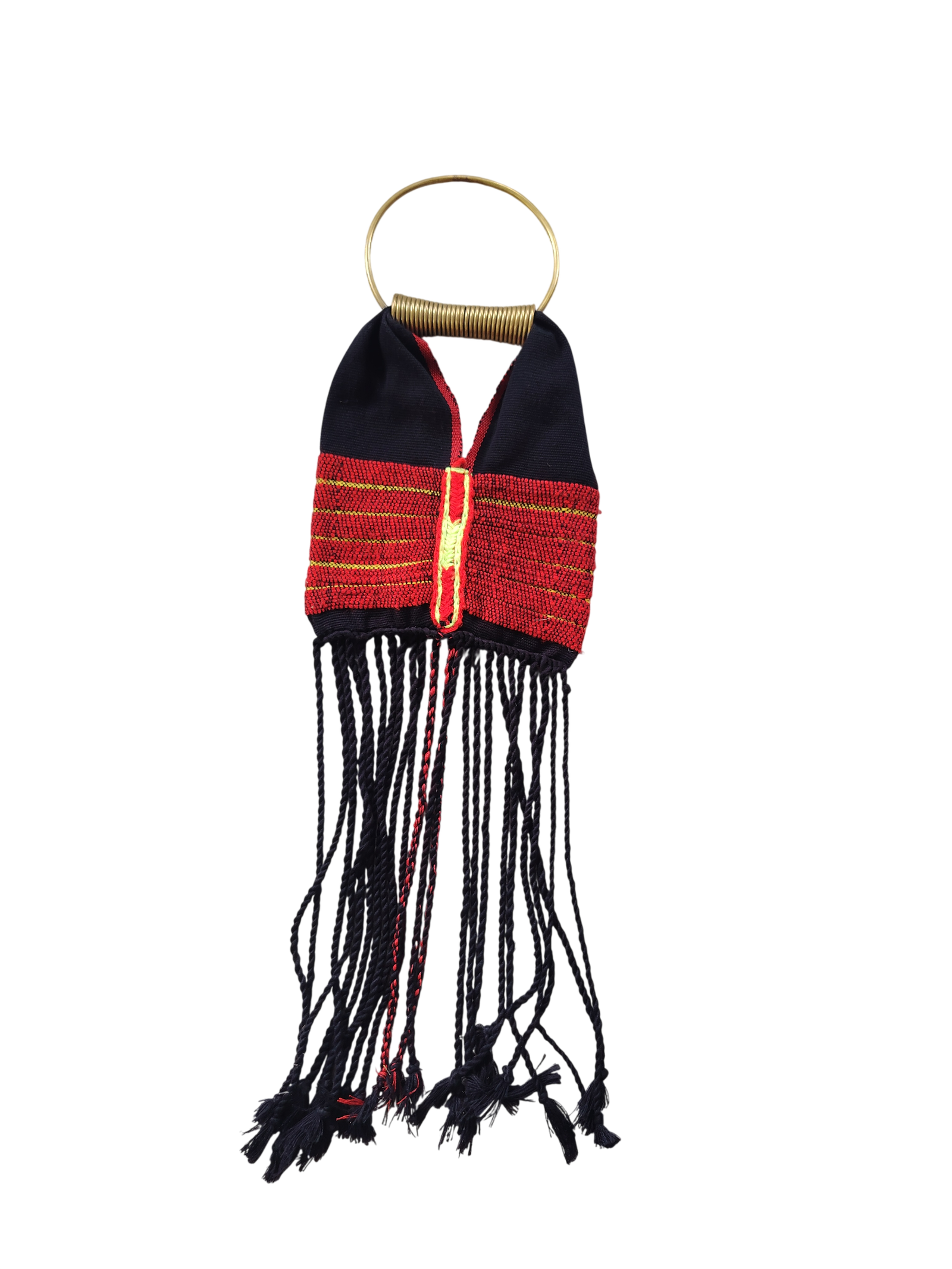
Pouch/Fotong

>It is used by people whose forefathers are warriors or hunters. >Not all dancers are using this kind of fotong because only the rich people have this kind. >It also represents friendship because through this fotong, they try to share ideologies, beliefs, customs and traditions while they are chewing betel nut. >Today, some are using this in their everyday life.

Necklace/Balituk

>It is a gold necklace for kadangyan men and women.

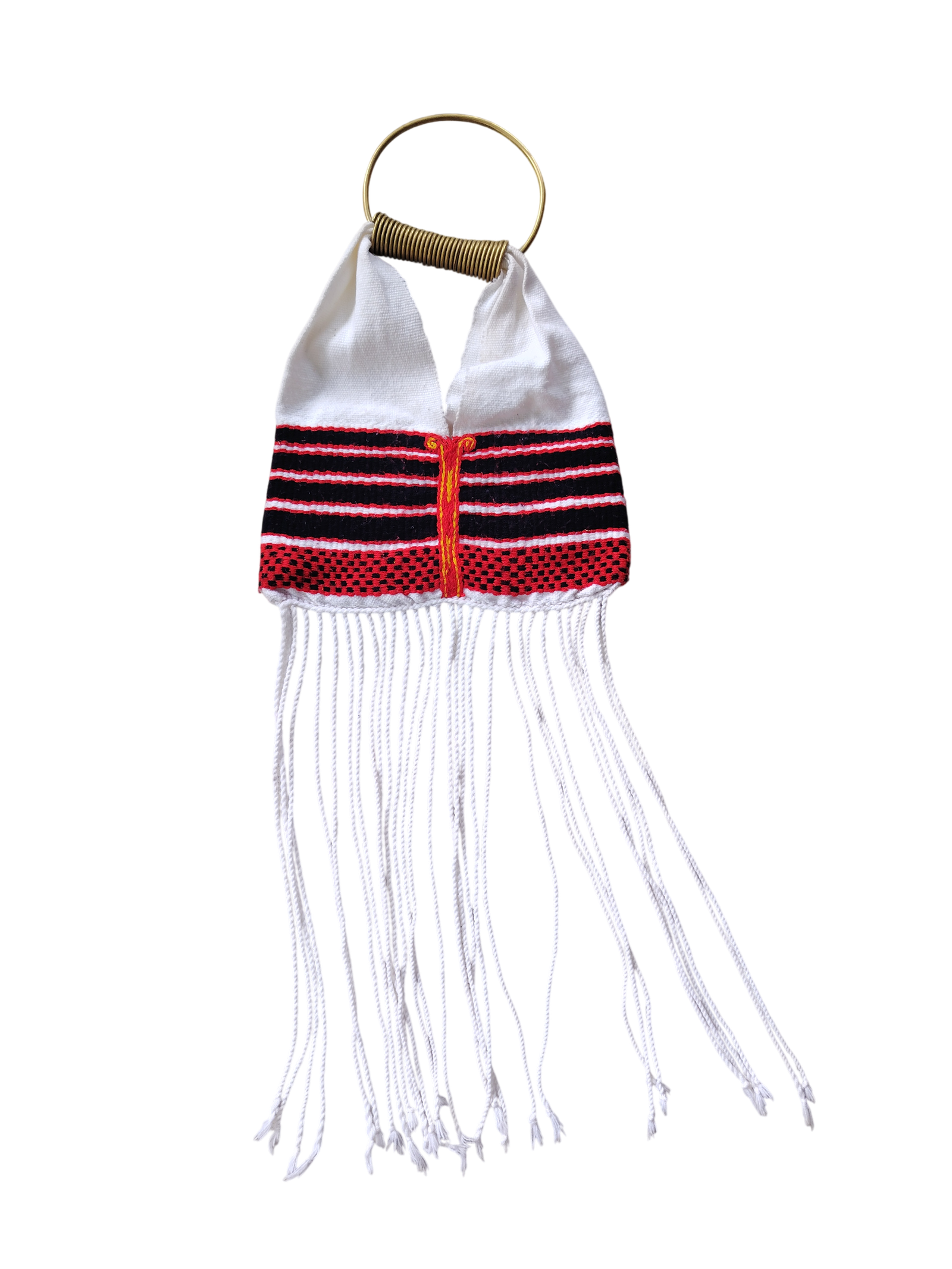
Blanket/Fadjaong

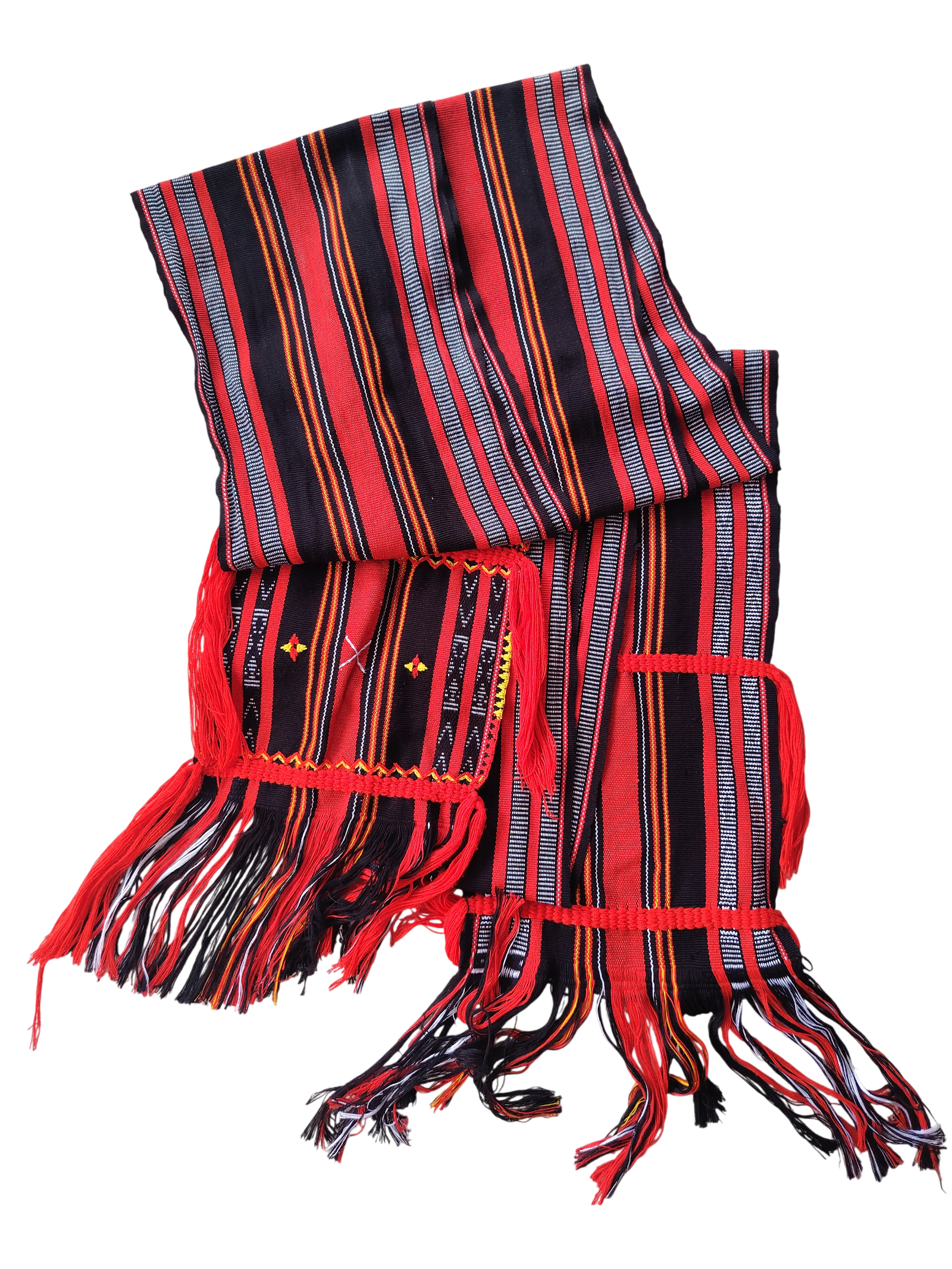
>It is worn by the ashangjan(rich people) to cover the upper body part but now anybody can use it.

Headdress/Pongot

>It is a head dress that is sometimes fancy and can denote the position of the person wearing.

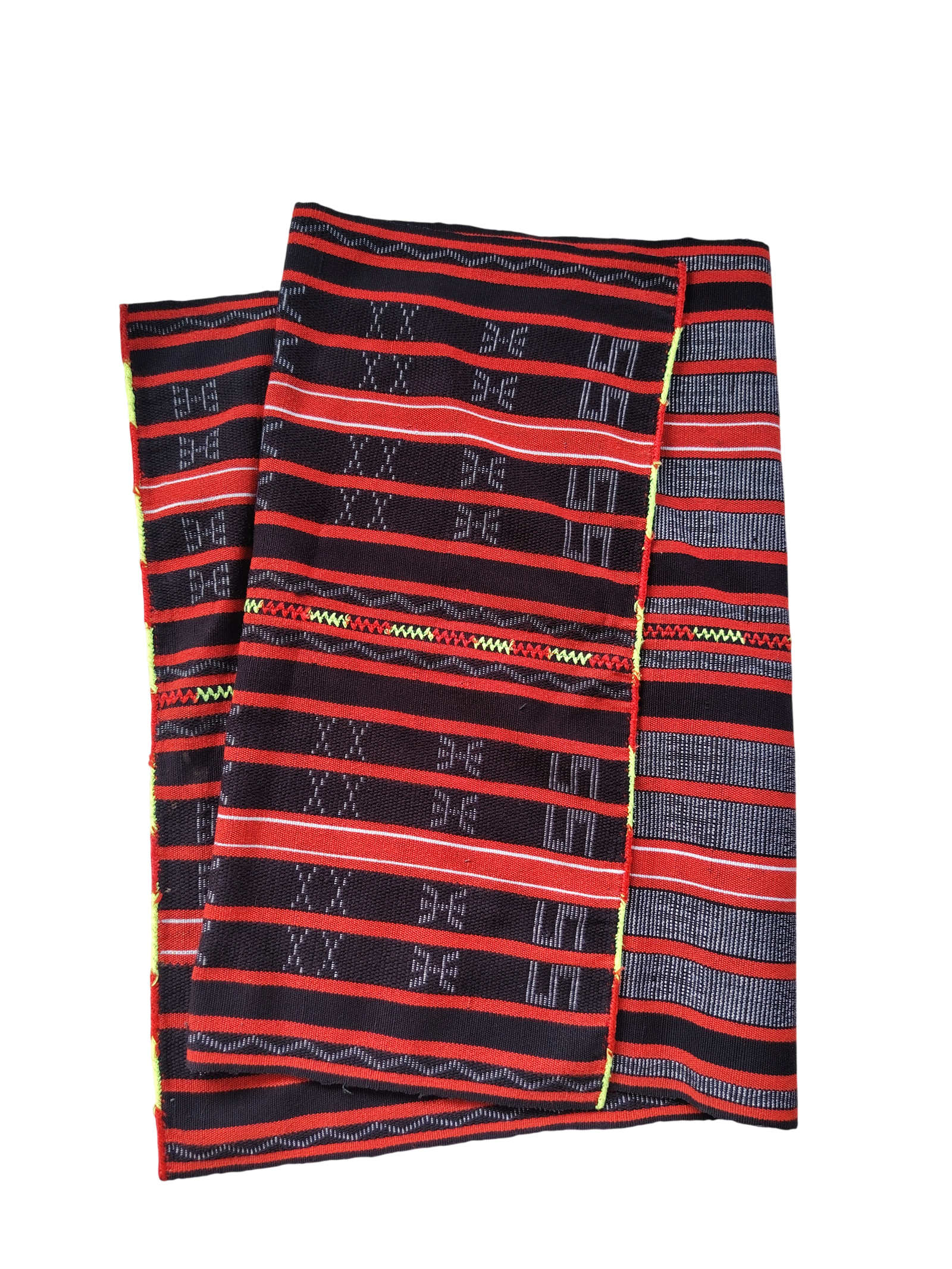
Wrap-Around Skirt/ Finallet

>It is a wrap-around skirt. > It is wrapped around the waist of a woman and supported by a waistband(majad). >It has more black color than red. >It is used by the people who belong to the third class and last class during the ancient times but now anyone can use it, young or old, rich or poor can use this kind of lomoy.

Belt/Majad

>It is used to hold the lomoy/finallet in place. >It acts as a belt. The majad is used by female paired with the lomoy. >It is the most acceptable wear paired with the lomoy for everyday clothing. But today, we do not see female wearing lomoy when they are at home. >They only use this during cultural presentations.

Blouse/Lofong

>It is the modernized blouse they use today. >The blouse then was made up of “Tafajan” but this kind of blouse is not available today.

Necklace/Balituk

>It is a gold necklace for kadangyan men and women.

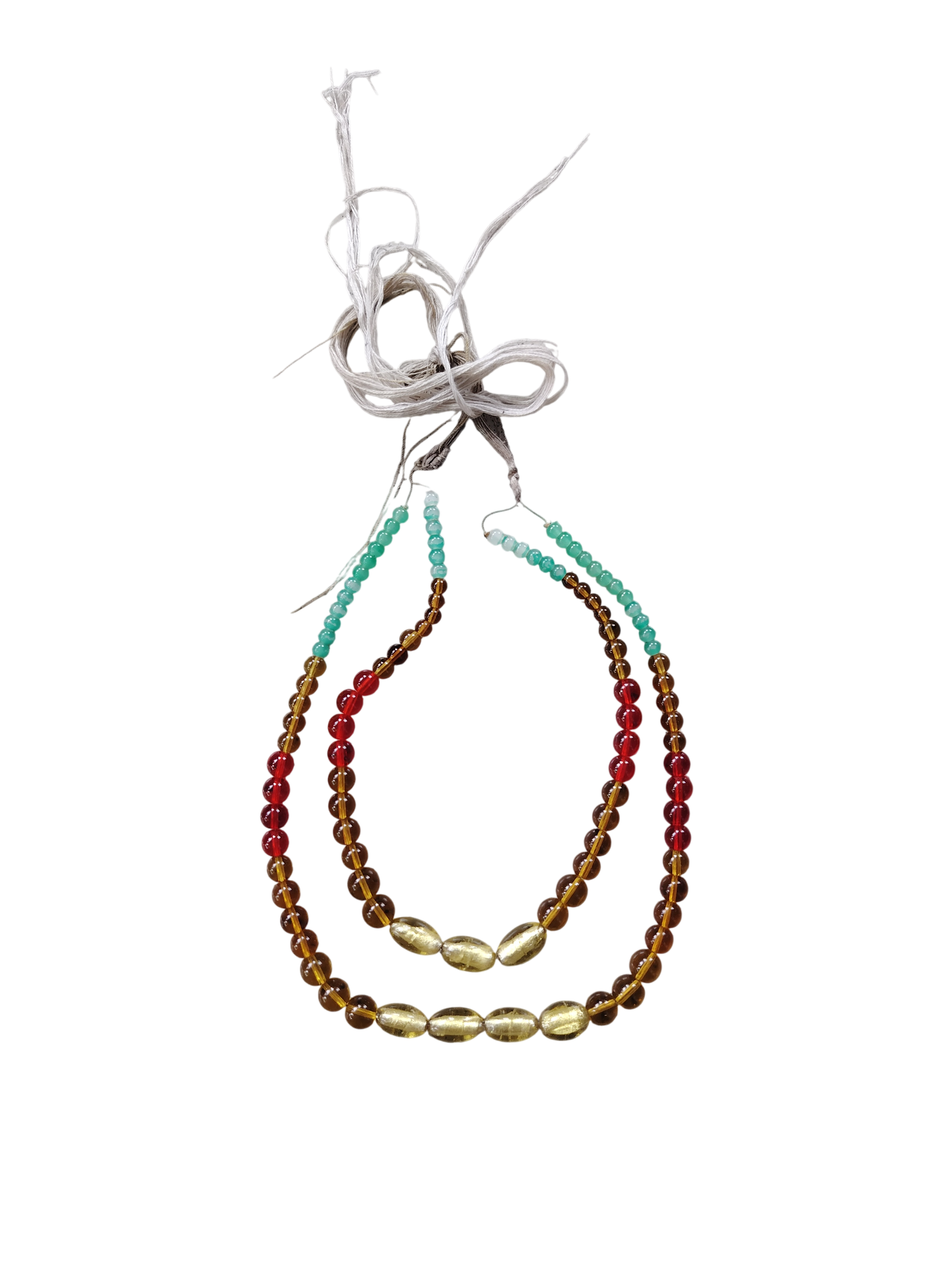
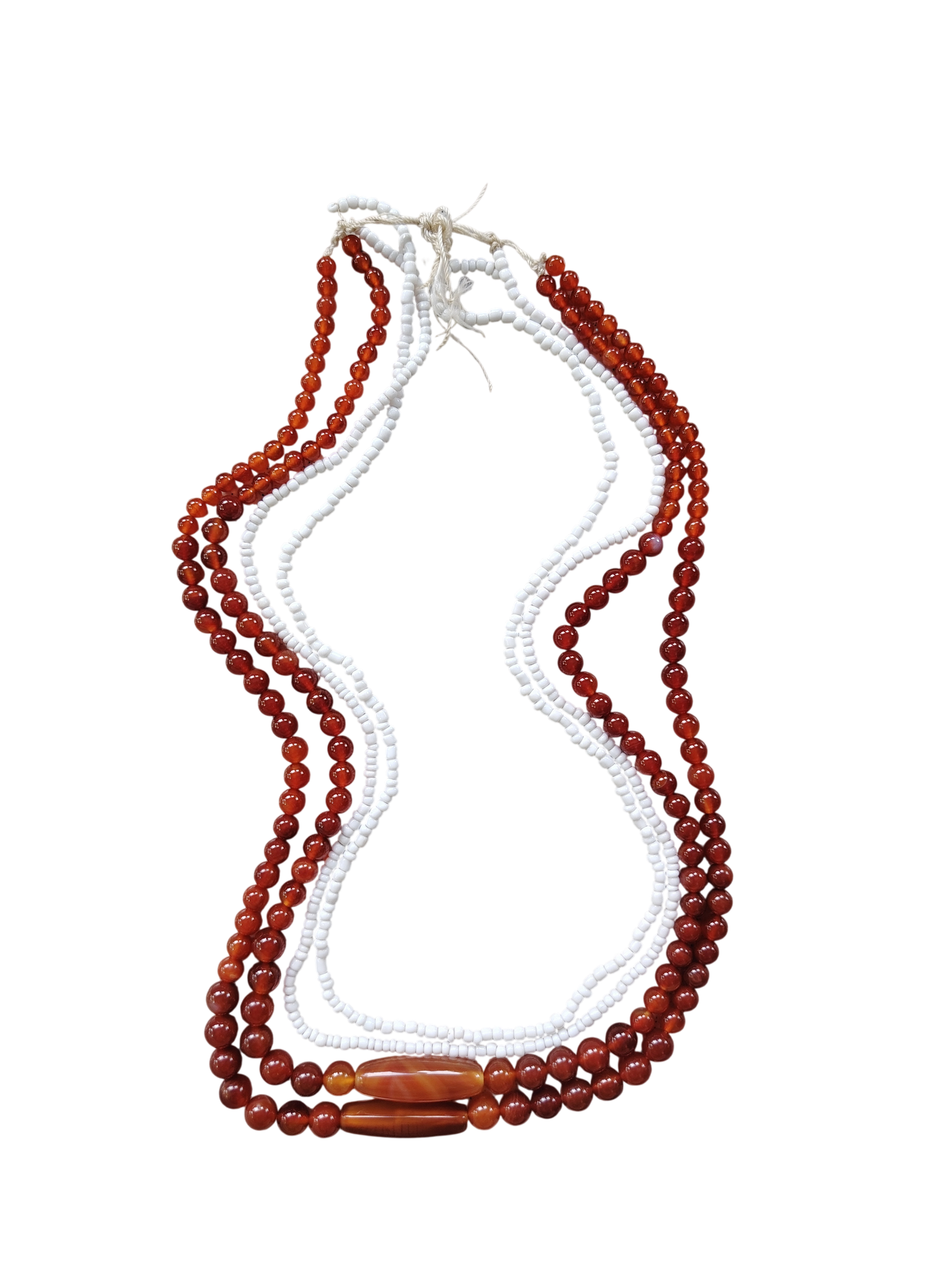
Necklace/Fukah

>It is made of beads especially the red and white in color. >It is used to tie the hair or as a necklace.

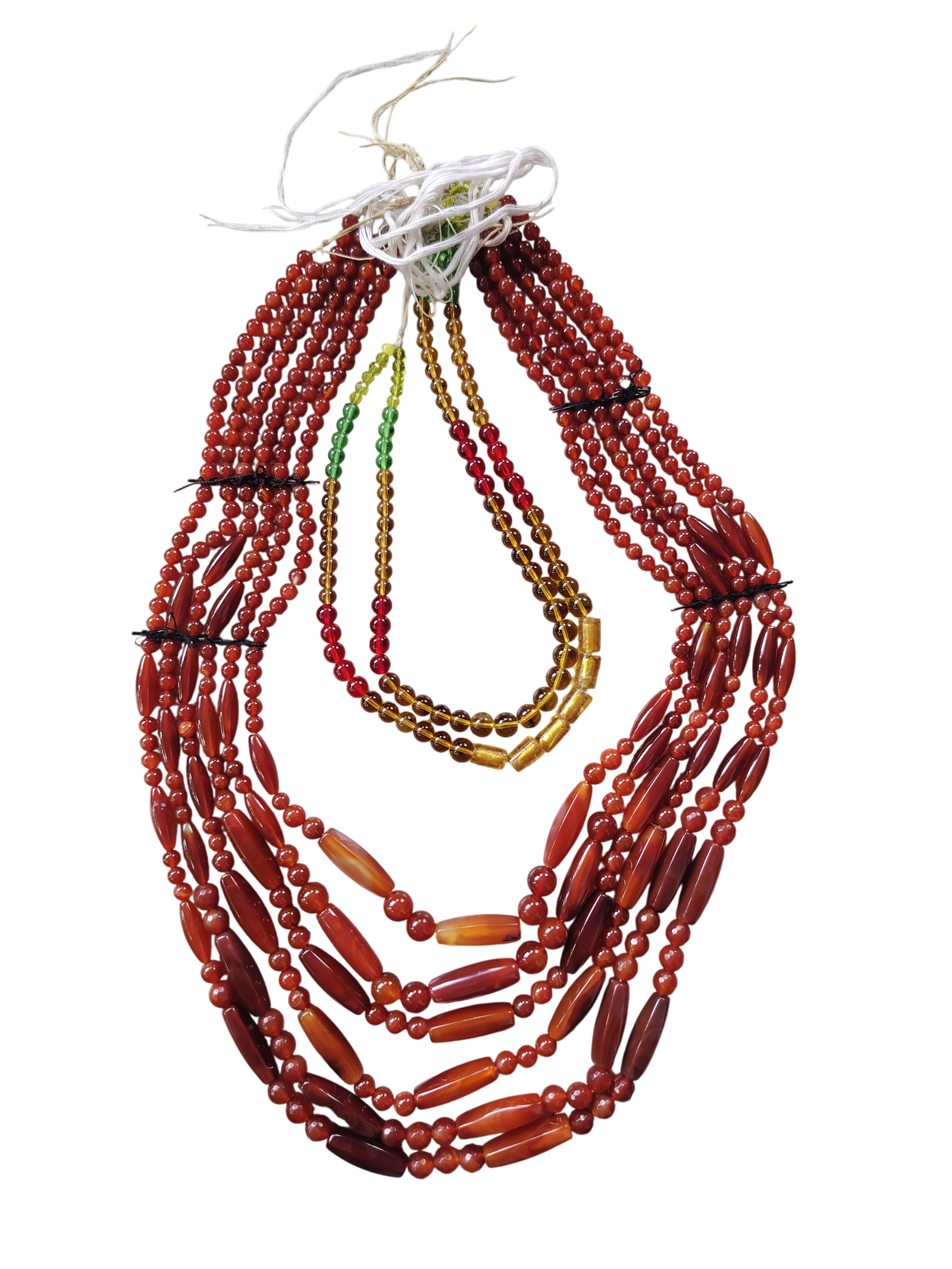
Necklace/Attake

>It is a modernized necklace that is made out of beads with different colors. >This can be used also to tie the hair or as a necklace.

1 G-String/Gwanoh 2 Waistband/Belt/Ghinuttu 3 Pouch/Fotong 4 Necklace/Balituk 5 Blanket/Fadjaong 6 Headdress/Pongot 7 Wrap-Around Skirt/ Finallet 8 Belt/Majad 9 Blouse/Lofong 10 Necklace/Balituk 11 Necklace/Fukah 12 Necklace/Attake

Women's Attire — Asipulo

Majad
Belt

Belt

Majad

>It is used to hold the lomoy/finallet in place. >It acts as a belt. The majad is used by female paired with the lomoy. >It is the most acceptable wear paired with the lomoy for everyday clothing. >But today, we do not see female wearing lomoy when they are at home. >They only use this during cultural presentations.

Source: Ifugao Indigenous Knowledge Systems & Practices

View details →
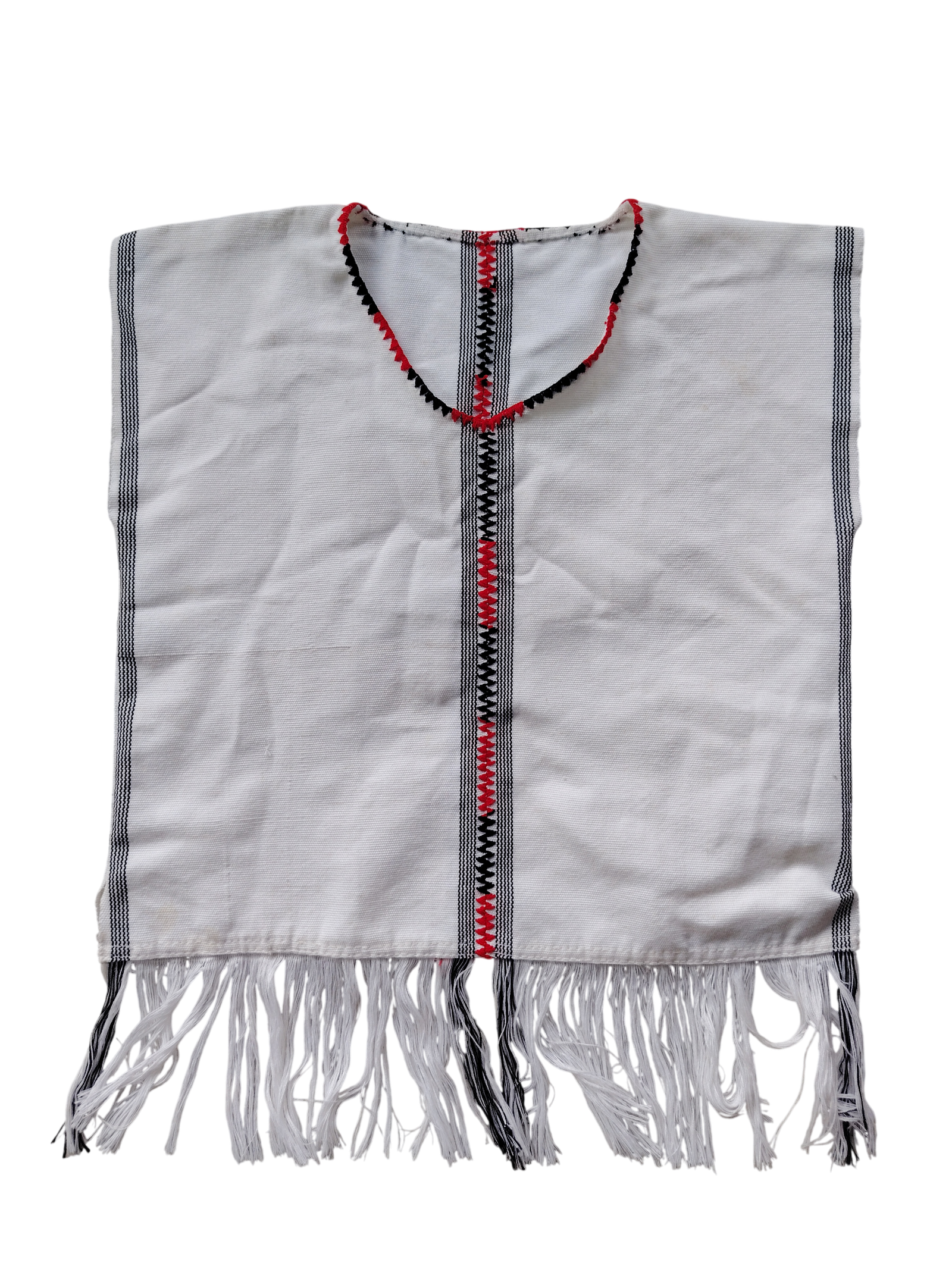
Lofong
Blouse

Blouse

Lofong

>It was made up of “Tafajan” but this kind of blouse is not available today. >This is the modernized blouse they use today.

Source: Ifugao Indigenous Knowledge Systems & Practices

View details →
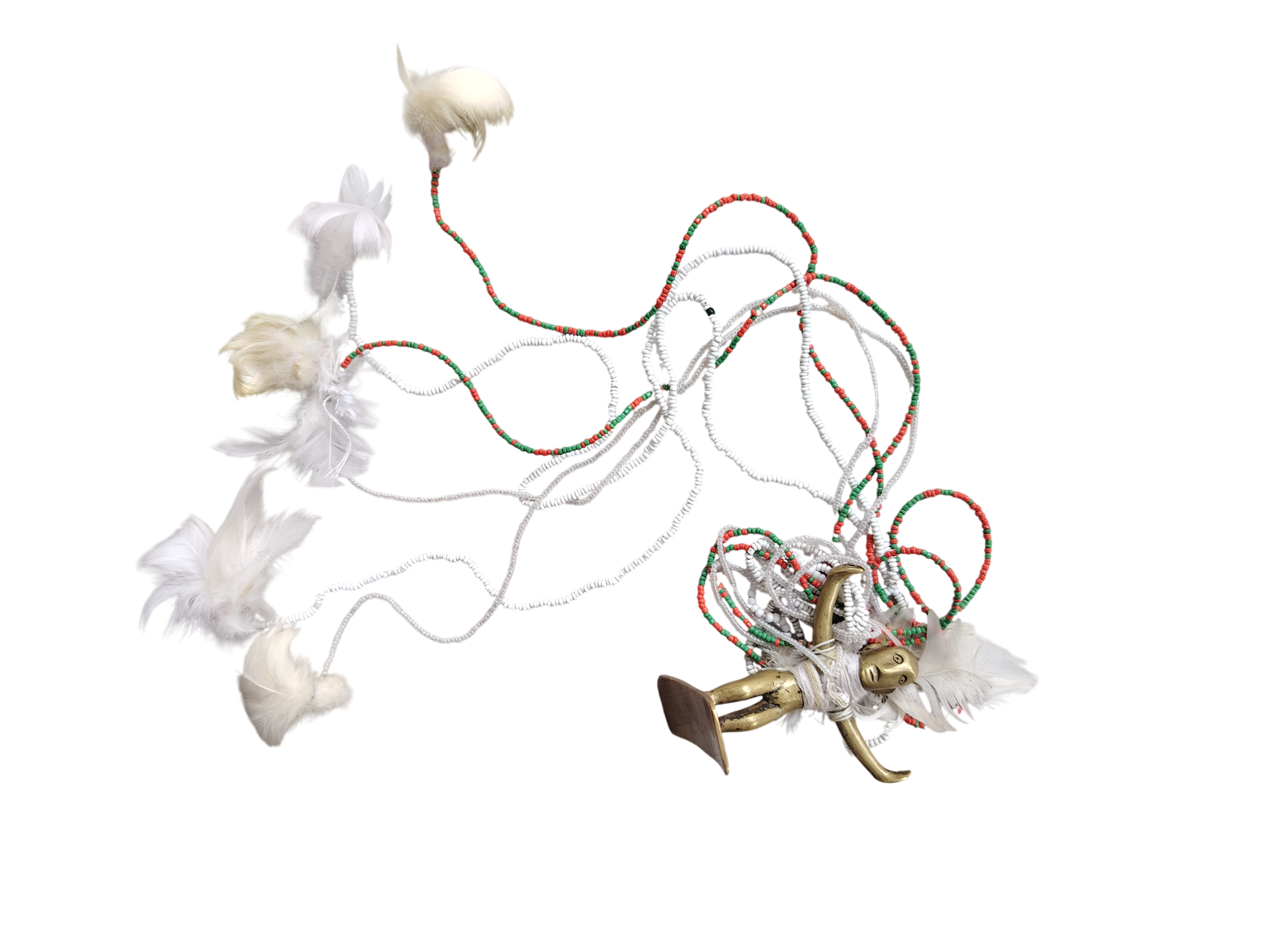
Dungdung
Headdress

Headdress

Dungdung

>It is a female or male figurine made up of gold or bronze worn by Ifugao female performing humagabi rite and uya-uy.

Source: Lagawe Tourism

View details →
Balituk
Necklace

Necklace

Balituk

>It is a gold necklace for kadangyan men and women.

Source: Lagawe Tourism

View details →
Attake
Necklace

Necklace

Attake

>It is a modernized necklace that is made out of beads with different colors. >It can be used also to tie the hair or as a necklace.

Source: Ifugao Indigenous Knowledge Systems & Practices

View details →
Fukah
Necklace

Necklace

Fukah

>It is made of beads especially the red and white in color. >It is used to tie the hair or as a necklace.

Source: Ifugao Indigenous Knowledge Systems & Practices

View details →
Fotong
Pouch

Pouch

Fotong

>It is used by people whose forefathers are warriors or hunters. >Not all dancers are using this kind of fotong because only the rich people have this kind. >It also represents friendship because through this fotong, they try to share ideologies, beliefs, customs and traditions while they are chewing betel nut. >Today, some are using this in their everyday life.

Source: Ifugao Indigenous Knowledge Systems & Practices

View details →
Lomoy/Finallet
Wraparound Skirt

Wraparound Skirt

Lomoy/Finallet

>It is a wrap-around skirt. >It is wrapped around the waist of a woman and supported by a waistband(majad). >It has more black color than red. >It is used by the people who belong to the third class and last class during the ancient times but now anyone can use it, young or old, rich or poor can use this kind of lomoy.

Source: Ifugao Indigenous Knowledge Systems & Practices

View details →
Men's Attire — Asipulo

Fadjaong
Blanket

Blanket

Fadjaong

>It is used to be worn by the ashangjan(rich people) but now anybody can use it.

Source: Ifugao Indigenous Knowledge Systems &Practices

View details →
Gwanoh/Finuhlan
G-String

G-String

Gwanoh/Finuhlan

>It is a costume worn by males to cover the private parts of their body. >It is tied around the waist with the end suspended on the back and in front.

Source: Ifugao Indigenous Knowledge Systems & Practices

View details →
Fukah
Necklace

Necklace

Fukah

>It is a modernized necklace that is made out of beads with different colors.

Source: Ifugao Indigenous Knowledge Systems & Practices

View details →
Fotong
Pouch

Pouch

Fotong

>It is used by people whose forefathers are warriors or hunters. >Not all dancers are using this kind of fotong because only the rich people have this kind. >It also represents friendship because through this fotong, they try to share ideologies, beliefs, customs and traditions while they are chewing betel nut. >Today, some are using this in their everyday life.

Source: Ifugao Indigenous Knowledge Systems &Practices

View details →
Ghinuttu and Pehlet
Waistband / Belt and Bolo

Waistband / Belt and Bolo

Ghinuttu and Pehlet

Waistband/ belt/Ghinuttu >It is used to carry the bolo and fotong. >It represents wealth. >The early ghinuttu is made of cracked jars, shells and later on altered with white plastic or wood due to the non-availability of the resources. >In making the ghinuttu, the height and the waist of the owner are considered for the length and the width. >The length should not reach the ground or the ankles but rather should only be below knee level. >Today, only few ghinuttu are made out of cracked jars and shells. Bolo/Pehlet >It is believed to drive evil spirits away. >It represents bravery because it is used to cut head whenever they went out for ngajaw (headhunting). >It is also used as a protection during the highest peak of ngajaw. >Today, it is used as dance implement.

Source: Ifugao Indigenous Knowledge Systems & Practices

View details →